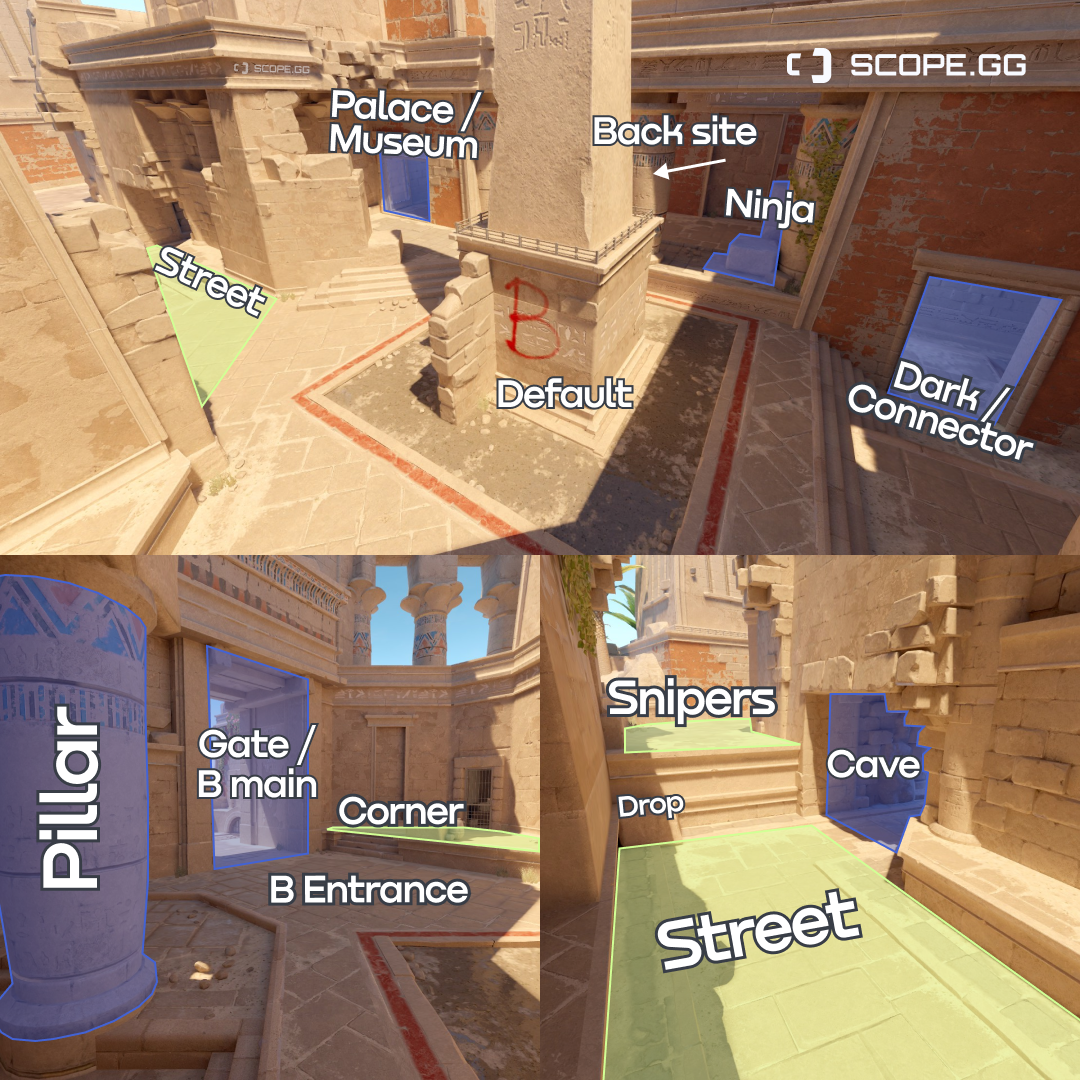
Mastering Communication: Essential Callouts for CS2 Success
In the realm of CS2, mastering communication is paramount for achieving success both individually and as a team. Effective communication fosters collaboration, enhances problem-solving capabilities, and drives performance. To start, focus on active listening; this means engaging with your teammates, understanding their perspectives, and providing constructive feedback. Implementing regular check-ins can also ensure everyone is on the same page regarding project goals and deadlines. When team members feel heard, it leads to increased motivation and a stronger partnership.
Another crucial aspect is the clarity of messaging. Using clear and concise language, whether in written or verbal communications, can prevent misunderstandings that might derail your team's progress. In addition, consider using visual aids such as charts and diagrams to complement your communication efforts. It's also beneficial to establish an open-door policy, encouraging team members to voice questions or concerns without hesitation. By prioritizing these essential callouts for CS2 communication, you'll greatly enhance your team's ability to collaborate effectively and achieve collective success.
Counter-Strike is a popular team-based first-person shooter that has captivated gamers since its inception. Players engage in tactical combat, utilizing various weapons and strategies to defeat their opponents. For optimal performance, understanding device settings can significantly enhance your gameplay experience.
Top 5 Strategies for Effective Callouts in CS2
In the world of CS2, effective callouts are essential for team communication and strategy execution. Here are the top 5 strategies to enhance your callout effectiveness:
- Be Clear and Concise: When calling out enemy locations or actions, use clear, one- or two-word descriptors. For example, instead of saying, 'I think there’s a guy near the big box,' say, 'Big Box, one enemy.' This helps streamline communication.
- Use Standardized Terms: Develop a common language with your team. Terms like 'site', 'mid', or 'ramp' can greatly reduce confusion. Establishing a glossary of terms specific to your maps will also improve your team's efficiency.
Another important strategy involves contextual awareness. Understanding map layouts and callout locations allows for better positioning and decision-making during gameplay. For example, when calling an enemy’s location, you can say 'B site, near the van,' which gives teammates precise information. Additionally, consider utilizing voice communication to enhance real-time coordination and reduce miscommunication. Always practice these callouts in scrims to ensure everyone's on the same page.
- Stay Calm Under Pressure: During intense situations, remaining calm helps maintain clarity in your callouts. Panic often leads to unclear communication, which can result in costly mistakes.
- Practice Makes Perfect: Regular practice of your callouts with your team will reinforce these strategies, making them second nature. The more you practice, the better you and your team will become at reacting swiftly and effectively.
How to Enhance Team Coordination with Clear CS2 Callouts
Effective team coordination is essential in high-stakes environments such as competitive gaming. Clear CS2 callouts play a crucial role in enhancing team communication, enabling players to share critical information quickly and accurately. Implementing a standardized system for callouts allows everyone on the team to reference locations and strategies seamlessly. For instance, using designated names for key areas on a map, such as 'A Site' or 'Long,' can significantly reduce confusion and streamline gameplay. Understanding the importance of these callouts can lead to better positioning and tactics, ultimately improving your team's chances of success.
Moreover, practicing CS2 callouts in scrims or casual matches helps reinforce these essential phrases and their meanings among team members. Here are some steps to enhance your team's coordination through effective callouts:
- Standardize Terminology: Ensure that everyone agrees on terms used for specific locations on the map.
- Assign Roles: Designate certain players to communicate key information, such as enemy locations or strategies.
- Review and Adapt: Regularly discuss what callouts work or need improvement to keep the team agile.
By focusing on these strategies, teams can develop strong communication skills that will translate into improved performance in matches.