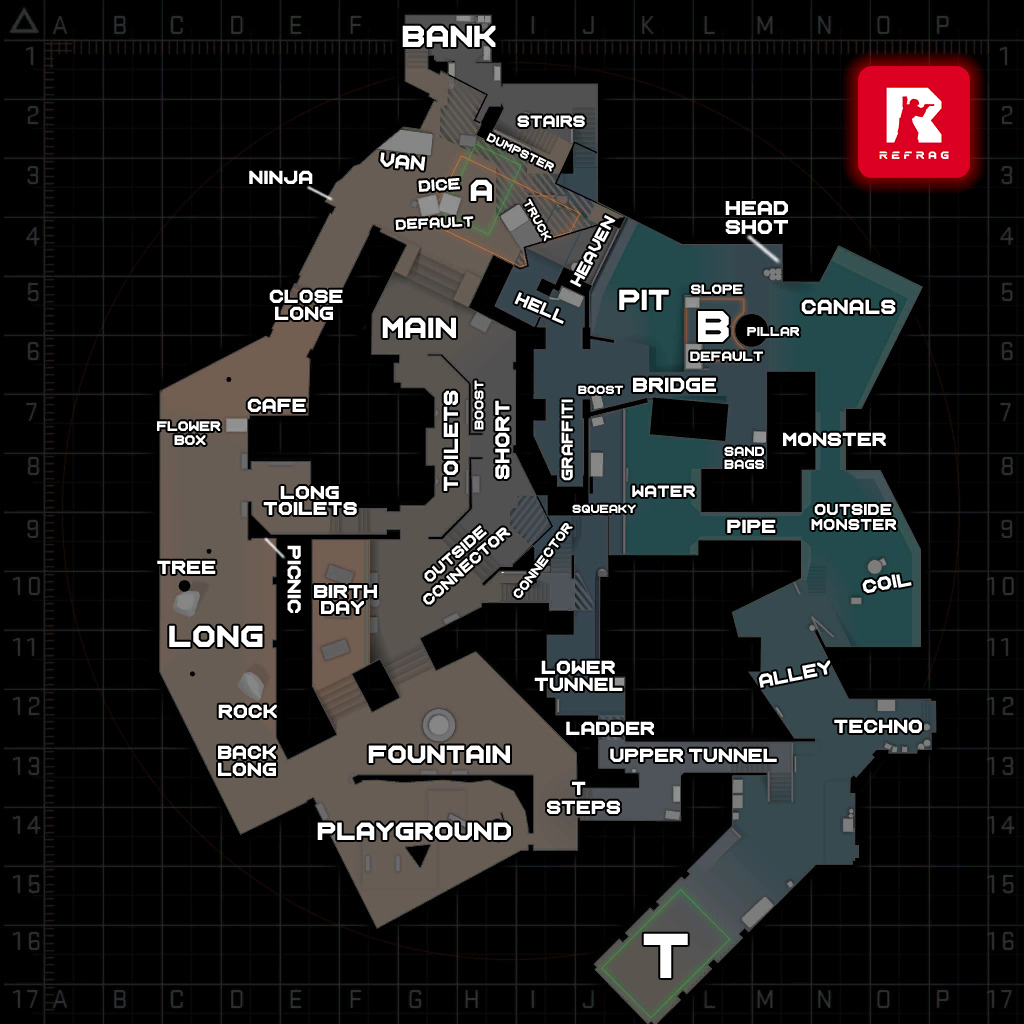
Top 10 Essential CS2 Callouts Every Player Should Know
When it comes to mastering CS2, understanding the map is crucial for success. The right callouts can significantly improve team communication and strategy. Here are the Top 10 Essential CS2 Callouts every player should know:
- Mid - A central area that provides a vital pathway for both teams, controlling Mid can dictate the pace of the game.
- Long A - This is a long stretch that leads directly to the A site, making it a key area for attackers to secure.
- Short A - A smaller route that allows players to quickly approach the A site, ideal for surprise plays.
- B Site - A high-traffic area, knowing how to navigate B Site is essential for both attackers and defenders.
- Catwalk - The raised path to A Site, clear communication about movements here can lead to successful flanks.
To enhance your chances of victory, it's important to familiarize yourself with both common and less obvious callouts. Here are additional essential terms:
- Bottom Mid - Offers crucial sight lines and control options, often contested heavily.
- Upper Tunnels - A sneaky access point to the B site, knowing its callout can help you trap unsuspecting enemies.
- Ducks - Popular hiding spots can give you an edge if you know where to look.
- CT Spawn - Vital for defenders, controlling this area can prevent surprise pushes.
- Ramp - A critical approach towards the B site, knowing its layout is key for executing strategies.
Counter-Strike is a highly competitive first-person shooter game that pits teams of terrorists against counter-terrorists in various objective-based scenarios. Players can equip themselves with an array of weapons, including the classic knife, which adds a unique aspect to close combat encounters. The game's strategic elements and teamwork have made it a staple in the esports community.
How to Use Callouts to Improve Team Communication in CS2
Effective communication is vital for any team, especially in complex environments like CS2. One powerful tool to enhance this communication is the use of callouts. Callouts are brief, targeted messages that can highlight critical information, provide reminders, or emphasize important updates. By incorporating callouts into your team's communication strategy, you can ensure that key points are easily visible and understood by all team members. This not only helps in reducing misunderstandings but also fosters a culture of transparency and prompt responses among the team.
To effectively implement callouts in your CS2 communication practices, consider the following steps:
- Identify Key Information: Determine what information needs to be highlighted in callouts, such as deadlines, assigned tasks, or critical changes in project direction.
- Keep it Concise: Ensure that your callouts are brief and to the point, making them easy to read and grasp quickly.
- Use Visual Elements: Incorporate colors or icons to make callouts visually distinct from the rest of the content, drawing attention to them.
- Regular Updates: Keep callouts current by regularly updating them to reflect the latest information and removing outdated messages.
Common Questions About Callouts: What New Players Need to Know
When it comes to callouts, new players often have a lot of questions. One of the most common inquiries is about the purpose of callouts in gameplay. Callouts are essentially a way for players to communicate crucial information about enemy locations, strategies, and in-game events. They can drastically improve team coordination and situational awareness, making them an invaluable tool for both new and experienced players. To use callouts effectively, players should familiarize themselves with the map and establish a standard set of terms with their team.
Another typical question new players ask is how to make effective callouts during intense moments of gameplay. It's essential to keep callouts concise and clear. Instead of shouting out long sentences, focus on key information such as enemy positions, item locations, or upcoming threats. For example, you could say, 'Enemy on the left flank' or 'Sniper on the rooftop' to relay important intel quickly. Practicing callout techniques during less competitive games can also help players become more comfortable with this vital communication method.