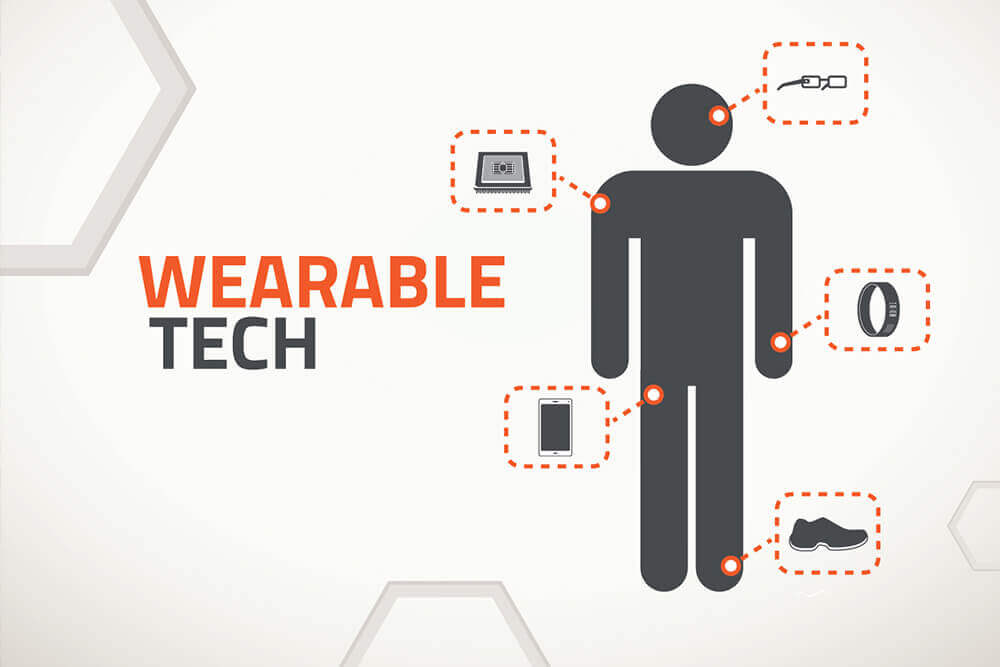
The Evolution of Wearable Technology: From Functionality to Fashion
The evolution of wearable technology has been a fascinating journey, transitioning from simple functionality to becoming a significant aspect of modern fashion. Initially, wearables like fitness trackers and smartwatches were designed primarily for practical applications, offering users tools to monitor their health and activity levels. These devices were predominantly utilitarian, focusing on features such as heart rate monitoring, step counting, and notifications. As technology advanced, the demand for more stylish and versatile options grew, prompting manufacturers to innovate not only in functionality but also in design.
Today, we see a remarkable blend of technology and style in wearable devices. High-end brands are collaborating with tech companies to create accessories that are as much about fashion as they are about function. For instance, smart jewelry and designer smartwatches are now common, allowing consumers to express their personal style while enjoying advanced features. This shift reflects a broader trend where wearable technology is no longer seen as mere gadgets but rather as essential components of our lifestyle and personal expression. The integration of cutting-edge technology with aesthetic appeal highlights how far wearables have come from their original, purely functional designs.
Counter-Strike is a popular tactical first-person shooter series that pits teams of terrorists against counter-terrorists in various objective-based game modes. Its engaging gameplay and competitive nature have made it a staple in the esports community. For those looking for great gift ideas, check out our Top 10 Tech Gifts for Women to enhance your gaming experience.
Are Smartwatches Replacing Traditional Timepieces? A Deep Dive
The rise of technology has significantly impacted various industries, and the watchmaking sector is no exception. Smartwatches are becoming increasingly popular, offering features that extend far beyond traditional timekeeping. Unlike traditional timepieces that focus solely on aesthetics and manual time management, smartwatches integrate advanced technology to provide functionalities like fitness tracking, notifications, and even mobile payments. This shift raises the question: Are smartwatches replacing traditional timepieces? As consumers seek convenience and multifunctionality, the traditional watch market is facing a new wave of competition.
While traditional watches are cherished for their craftsmanship and status, smartwatches offer a practical solution for the modern lifestyle. For instance, many users appreciate the ability to monitor their health metrics and receive real-time updates at a glance. According to a recent study, over 60% of adults now own a smartwatch, indicating a growing trend that cannot be ignored. Ultimately, the evolution of timepieces points to a future where smartwatches and traditional watches may coexist, appealing to distinct consumer preferences, yet it’s clear that the former is carving out a substantial niche in the market.
Can Wearable Tech Enhance Your Lifestyle or Is It Just a Passing Trend?
In recent years, wearable tech has surged in popularity, capturing the attention of both tech enthusiasts and everyday consumers. Devices such as smartwatches, fitness trackers, and smart glasses have not only transformed the way we interact with technology but also how we monitor our health and fitness levels. Can wearable tech enhance your lifestyle? Many users report significant benefits, such as improved physical activity, better sleep quality, and enhanced productivity. By providing real-time data and insights, these gadgets can help individuals make informed decisions, ultimately leading to a healthier and more efficient lifestyle.
However, one must question whether this trend is truly here to stay or if it's merely a passing fad. While the allure of wrist-worn tech and smart devices is strong, critics argue that not everyone needs constant data at their fingertips. Moreover, as technology evolves, some wearables may become obsolete or replaced by newer devices, leading to skepticism about their long-term utility. Ultimately, the answer may lie in the personal preferences of users; for some, these devices are invaluable tools, while for others, they may simply be an unnecessary distraction.