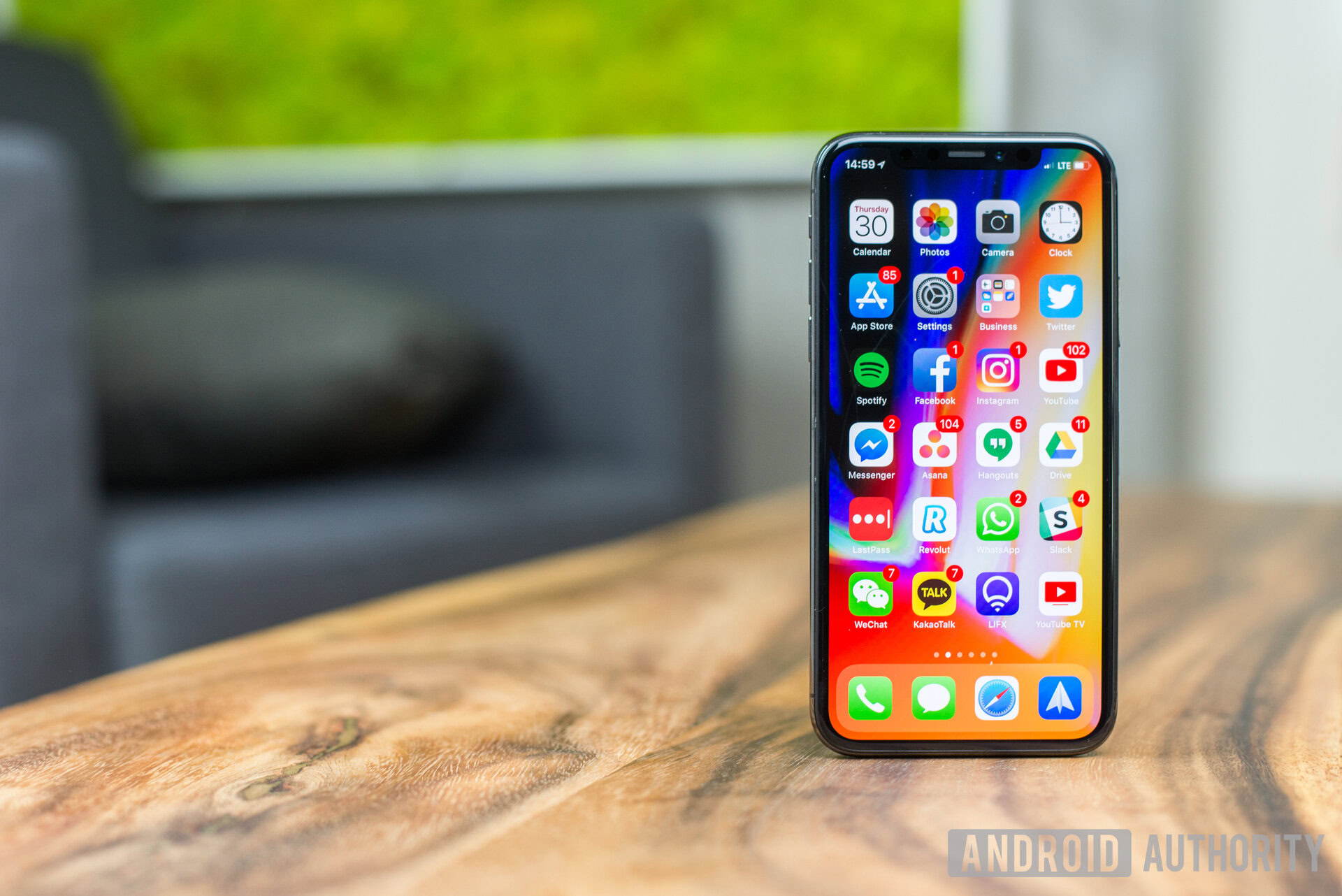
Exploring the Hidden Dimensions of Smartphones: How Pocket Size Affects Your Choice
In a world where smartphones have become essential companions, the pocket size of these devices plays a crucial role in consumer choice. People often gravitate towards models that fit comfortably in pockets without compromising on features. The size of a smartphone not only influences its portability but also affects usability. For instance, larger screens may enhance the viewing experience but can be cumbersome to carry around. Thus, when evaluating options, it is important to consider how the dimensions of a phone align with your daily routine and comfort.
Moreover, the decision-making process can be guided by specific preferences regarding screen size and how it correlates to functionality. Consumers often find themselves weighing the pros and cons, such as:
- Compact models for easy transportation.
- More extensive models for improved multimedia experiences.
- Battery life, which can be affected by size variations.
Understanding these hidden dimensions is vital for making an informed purchase that seamlessly blends into one’s lifestyle.
Are Smartphones Getting Too Big for Our Pockets? A Deep Dive into Trends
The smartphone market has seen a remarkable trend over the past decade, with devices continually increasing in size. Large smartphones, often referred to as phablets, have become the norm rather than the exception. Consumers are drawn to larger screens, as they provide improved viewing experiences for media consumption, gaming, and reading. However, the question arises: are smartphones getting too big for our pockets? As manufacturers push the boundaries of size, many users have found themselves struggling to comfortably carry devices that can measure up to 6.9 inches or more diagonally. This trend not only challenges the practicalities of pocket space but also raises concerns about ergonomics and ease of use with one hand.
Market research indicates that while a segment of the population prefers the convenience of larger displays, there remains a significant demand for compact options. As a result, some brands have started to introduce models that balance screen size with portability. For example, mid-range smartphones with screens around 6.2 inches offer a compelling alternative for those seeking practicality without sacrificing functionality. Furthermore, features like foldable displays are emerging, allowing users to enjoy a larger screen without compromising on pocketability. Ultimately, the debate around smartphone sizes underscores a crucial dichotomy: as technology advances, manufacturers must adapt to meet the diverse preferences of consumers while ensuring that devices remain convenient and practical for everyday use.
The Science of Pocket Dimensions: What You Need to Know Before Buying Your Next Smartphone
The science of pocket dimensions refers to the compact yet immense technological advancements that have made modern smartphones incredibly powerful despite their size. When shopping for your next smartphone, it's essential to understand how manufacturers optimize space to integrate advanced features without compromising performance. This includes considerations such as processor speed, RAM capacity, and battery efficiency that all fit into a device that can easily slip into your pocket. The magic lies in the miniature components that work harmoniously, making a deep dive into these dimensions a worthwhile exploration for any tech enthusiast.
Before making a purchase, consider these crucial aspects of pocket dimensions:
- Size and Weight: A phone that feels good in your hand may enhance your overall experience.
- Screen-to-Body Ratio: A higher ratio means more screen and less bezel, which affects usability.
- Component Quality: Pay attention to the materials used in construction, as this impacts durability and aesthetics.
Understanding these factors not only helps you choose a smartphone that suits your needs but also provides insight into the scientific innovations that allow such technology to thrive in our increasingly digital lives.