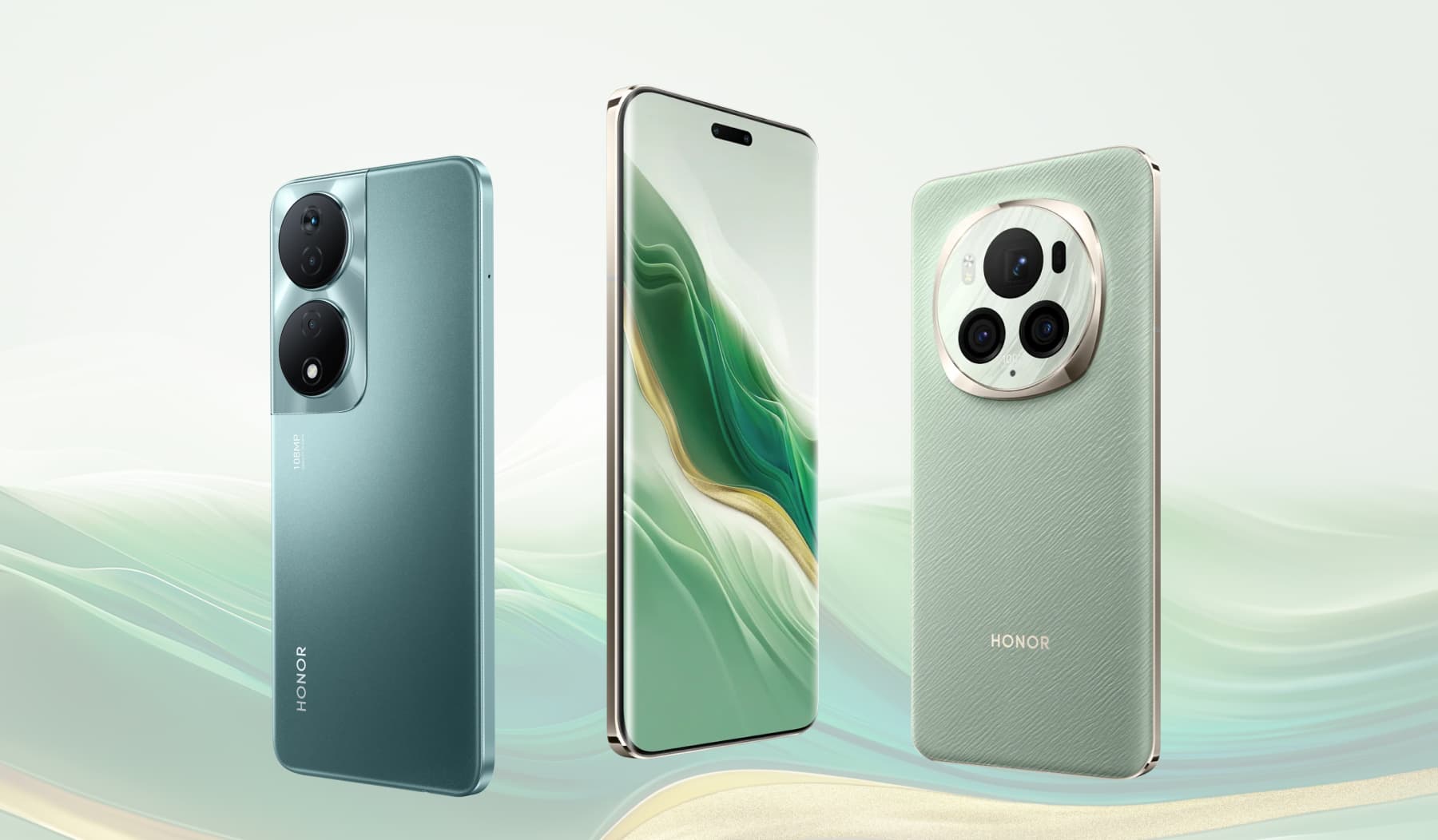
How Smartphones Have Transformed Our Daily Lives
The advent of smartphones has profoundly transformed our daily lives in numerous ways. These portable devices have become essential tools that offer more than just communication; they serve as our primary sources of information, entertainment, and social interaction. For instance, with a smartphone in hand, people can easily access the internet to find answers to questions, stay updated with news, or browse through social media platforms. This constant connectivity has made it possible for individuals to engage with the world around them like never before, fostering relationships and facilitating interactions with friends and family, regardless of geographical barriers.
Moreover, smartphones have revolutionized the way we manage our daily tasks. With a myriad of applications available, users can organize their lives more efficiently than ever. Consider these aspects:
- Productivity: Calendar and task management apps help in planning and executing daily responsibilities.
- Health and Fitness: Various applications track physical activity, nutrition, and overall wellness.
- Shopping: Online shopping apps provide convenience, allowing people to purchase items with just a few taps.
In essence, the impact of smartphones on our routines is undeniable, making them not only a medium of communication but a central hub for managing our modern lives.
Counter-Strike is a popular first-person shooter game that pits teams of terrorists against counter-terrorists in various game modes. Players engage in tactical gameplay that requires teamwork, strategy, and quick reflexes. For those looking to protect their devices while gaming, check out the Top 10 iphone 17 cases to find the perfect case for your iPhone 17.
Are Smartphones Really as Smart as They Seem? A Deep Dive
Smartphones have become integral to our daily lives, often perceived as smart devices that cater to our every need. From streamlined communication to advanced computing capabilities, smartphones are equipped with functionalities that can sometimes make them feel almost intelligent. However, the question arises: Are smartphones truly as smart as they seem? While they boast impressive features like voice assistants, high-resolution cameras, and an expansive array of applications, their intelligence is heavily dependent on the algorithms and data fed into them. Without human input and continuous updates, these devices would struggle to operate effectively.
Moreover, the concept of smartness extends beyond just hardware and software; it encompasses how well these devices integrate into our lives. Many users rely on smartphones for navigation, reminders, and even health monitoring. Yet, the reliance on smartphones raises concerns about privacy, data security, and the potential for addiction. According to a recent study, approximately 70% of individuals admit to feeling anxious when separated from their devices. This psychological impact invites a deeper examination into whether our smartphones are enhancing our intelligence or merely serving as tools that foster dependence.
The Dark Side of Smartphones: What Secrets Are They Keeping?
In today's digital age, smartphones have become essential tools for communication, navigation, and entertainment. However, beneath their sleek surfaces lies a dark side that many users remain oblivious to. For instance, these devices often collect vast amounts of personal data, including location history, browsing habits, and app usage patterns. This data accumulation can potentially lead to privacy violations, as companies may sell or misuse this information without user consent. As consumers, it's crucial to understand the extent of the data our smartphones gather and the potential implications on our privacy.
Moreover, the constant connectivity facilitated by smartphones can contribute to mental health issues. Studies have shown a correlation between excessive smartphone use and problems such as anxiety, depression, and social isolation. The pervasive nature of social media, in particular, can create a false sense of connection, leading to feelings of inadequacy and loneliness. Understanding these hidden consequences can empower users to take control of their smartphone habits and prioritize their mental well-being. By fostering awareness of the secrets smartphones keep, individuals can make informed decisions about their usage and strive for a healthier relationship with technology.