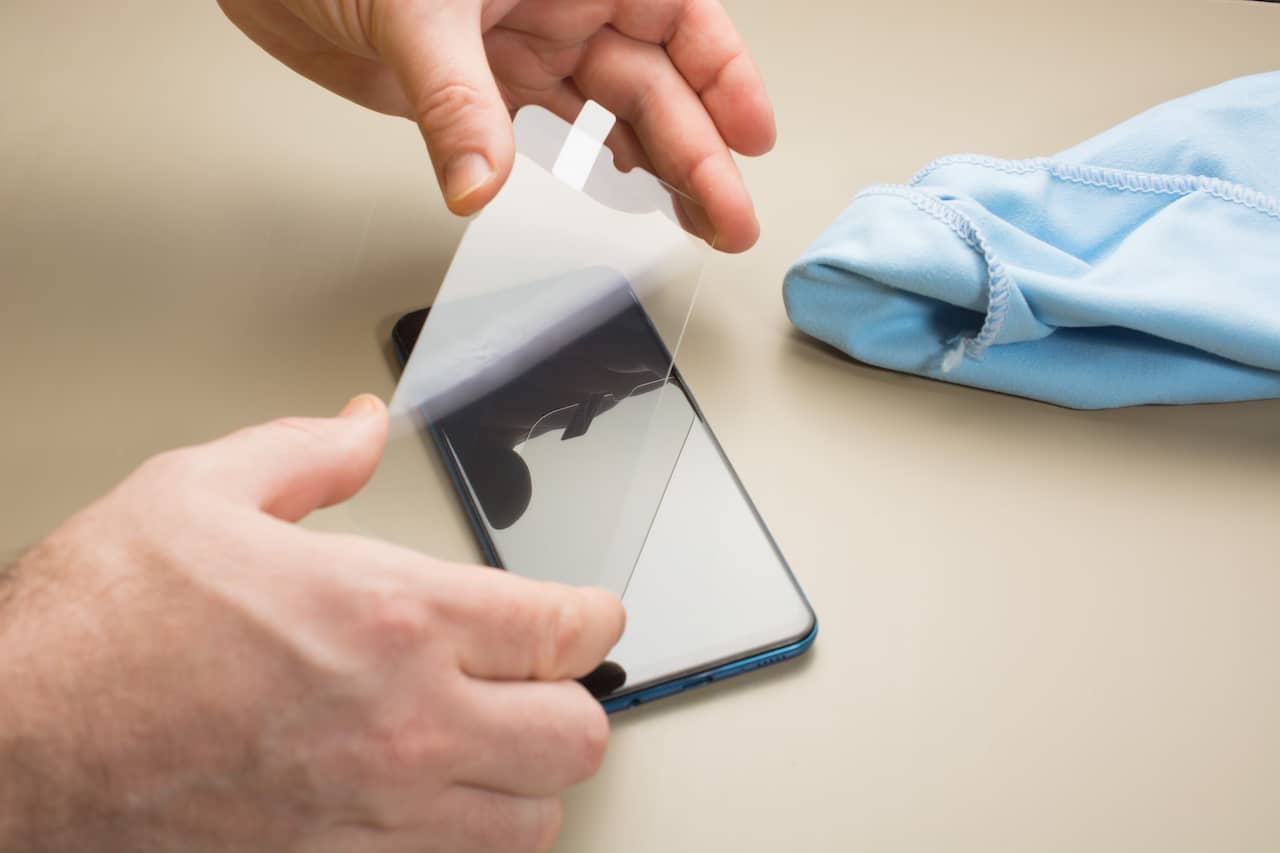
5 Reasons Why Screen Protectors Are Essential for Your Device
In today's digital age, our devices are more than just communication tools; they're an essential part of our daily lives. One of the best ways to ensure the longevity of your device is by using a screen protector. Here are 5 reasons why screen protectors are essential for your device:
- Protection from Scratches: Everyday items like keys and coins can easily scratch your screen. A high-quality screen protector acts as a barrier to prevent these unsightly marks.
- Impact Resistance: Accidental drops are unavoidable. Screen protectors can absorb some of the shock from impacts, reducing the risk of cracks and damages.
Additionally, screen protectors often come with anti-glare and anti-fingerprint features, enhancing your viewing experience. For those who value their device's aesthetics, a protector can keep the original screen looking pristine. Here are three more reasons to consider:
- Cost-effective Solution: Replacing a shattered screen can be expensive. Investing in a screen protector can save you money in the long run.
- Easy Installation: Most screen protectors are user-friendly and can be applied without professional help, making it accessible for everyone.
- Increased Resale Value: A device with a well-maintained screen is more appealing to potential buyers, ensuring you get the best price when it's time to upgrade.
Counter-Strike is a popular tactical first-person shooter video game that has captivated gamers around the world. Players can engage in intense multiplayer matches as either terrorists or counter-terrorists, utilizing strategy and teamwork to achieve their objectives. For those looking to enhance their gaming experience, check out the Top 10 iPhone Air accessories that can complement your gameplay setup.
How to Choose the Right Screen Protector: A Comprehensive Guide
Choosing the right screen protector for your device can be a daunting task due to the plethora of options available. First, consider the type of material used in the screen protector. The most common types are tempered glass and plastic film. Tempered glass offers superior protection against scratches and impacts, while plastic film is lightweight and often less expensive. Additionally, reflect on the level of clarity and touch sensitivity you desire. A high-quality screen protector should maintain the vibrant display of your device while providing an unimpeded tactile experience.
Next, examine the specific features of various screen protectors before making a purchase. Here are some factors to consider:
- Anti-glare - If you frequently use your device outdoors, this type is beneficial.
- Blue light filtering - This helps reduce eye strain, making it ideal for prolonged use.
- Privacy - These protectors limit visibility from side angles, keeping your personal information secure.
By assessing your lifestyle and usage habits, you can confidently choose the right screen protector that meets your needs.
Do Screen Protectors Really Work? Debunking Common Myths
When it comes to protecting our devices, the question of whether screen protectors are effective is often debated. Many users have heard the popular myth that a screen protector is unnecessary if your device has Gorilla Glass or similar technology. However, this is not entirely accurate. While advanced glass can offer a level of durability, it is still vulnerable to scratches, dings, and cracks from everyday use. A study conducted by a well-known consumer electronics review site indicated that screen protectors can reduce the chance of damage by as much as 50%, making them a worthwhile investment.
Another common misconception is that all screen protectors are the same. In reality, they come in various materials and qualities, ranging from plastic film to tempered glass. Each type has its own benefits and drawbacks. For example, tempered glass protectors offer superior durability and are better at absorbing impact, whereas plastic film is more lightweight and provides basic scratch protection. Choosing the right screen protector depends on your lifestyle and how you use your device. Ultimately, knowing the facts can help you make an informed decision and keep your screen safe from harm.