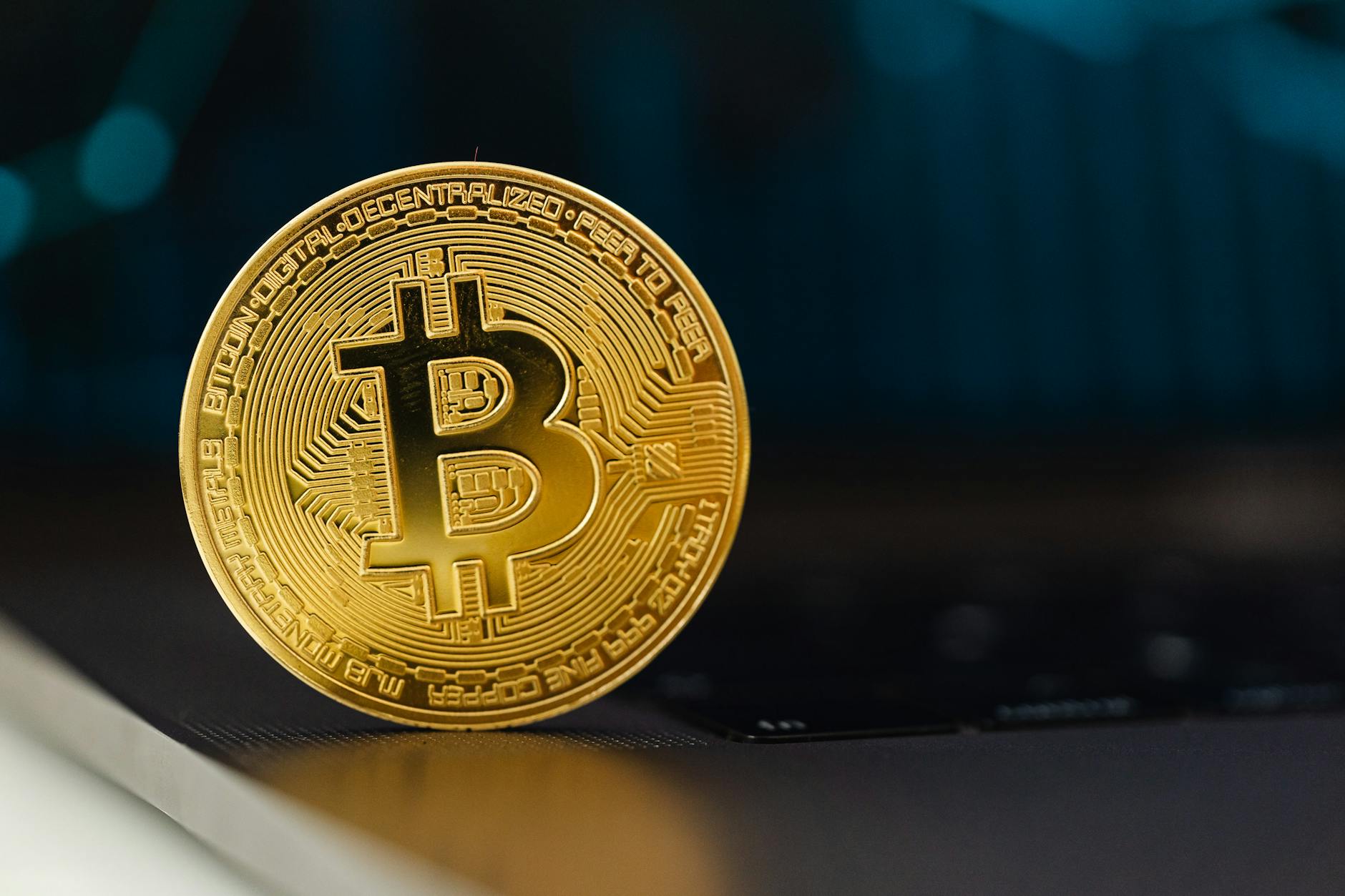
Cracking the Code: What Even *Is* Liquidity in Decentralized Sports Betting (and Why Should You Care)?
When we talk about liquidity in decentralized sports betting, we're essentially referring to the ease and speed with which a bet can be placed and subsequently matched with an opposing bet. Think of it as the depth of the betting market. In traditional sportsbooks, the bookie acts as the central liquidity provider, taking on both sides of the bet. In a decentralized environment, however, there's no central intermediary. Instead, liquidity is provided by a network of independent participants – either individual users or specialized 'liquidity providers' who stake their capital to facilitate betting markets. Without sufficient liquidity, you'd find it difficult to place bets at your desired odds, or even to place them at all, as there wouldn't be enough opposing capital to match your wager. This directly impacts the user experience and the overall viability of a decentralized betting platform.
Understanding liquidity is paramount for anyone venturing into decentralized sports betting, and here's why you should care:
- Better Odds: High liquidity fosters more competitive odds as providers vie for your business.
- Faster Execution: Bets are matched almost instantly, eliminating delays.
- Reduced Slippage: This is crucial; in low-liquidity markets, your bet might be executed at a less favorable price than you initially saw.
- Market Depth: You can place larger bets without drastically impacting the odds.
A decentralized sportsbook offers a new paradigm for online betting, operating on blockchain technology to ensure transparency and fairness. Unlike traditional sportsbooks, these platforms remove the need for intermediaries, allowing for peer-to-peer betting and often lower fees. This innovative approach can enhance user trust and provide a more secure and equitable betting experience.