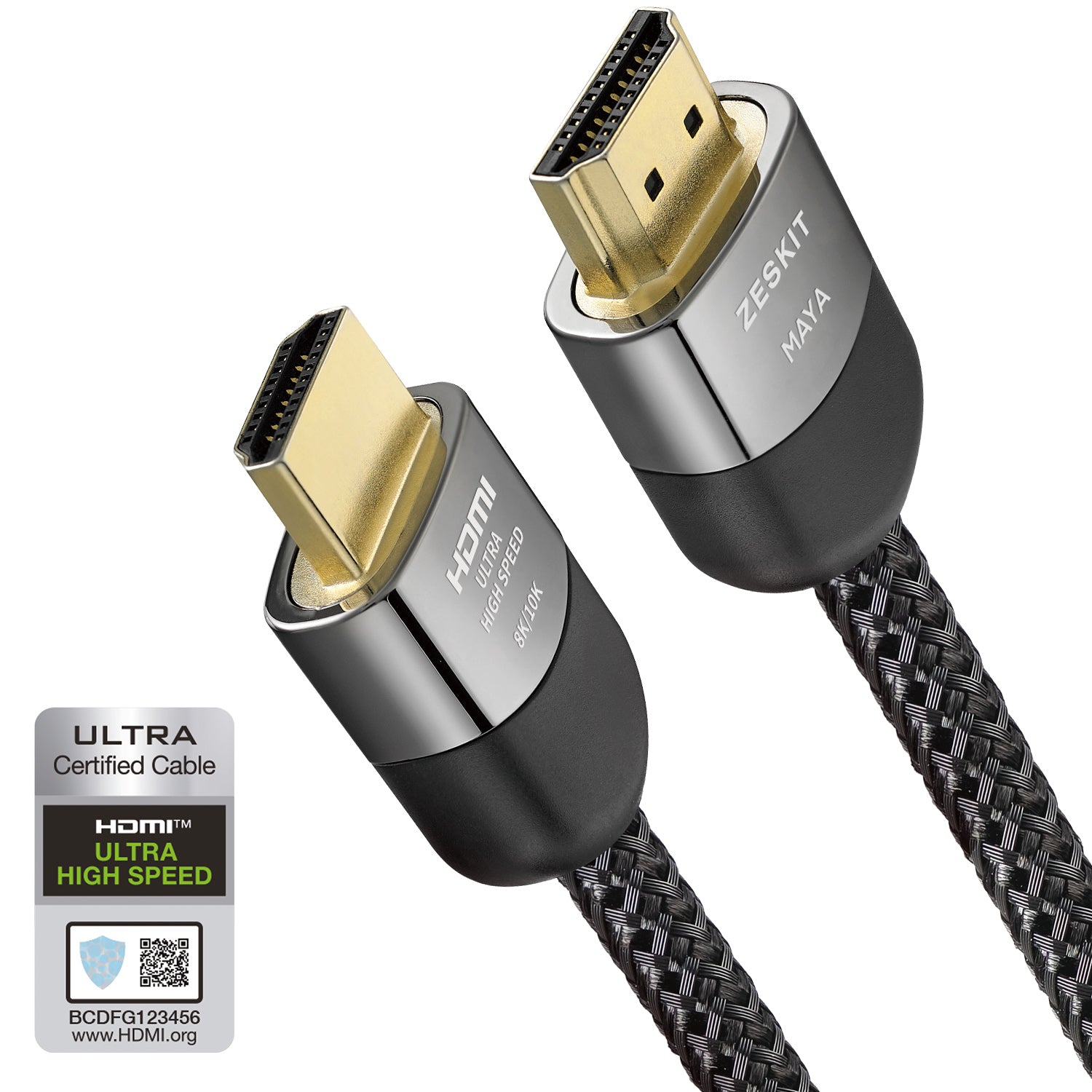
Unlocking the Potential: How HDMI Cables Enhance Your Home Entertainment Experience
HDMI cables are essential components in modern home entertainment systems, providing a seamless connection between various devices such as televisions, gaming consoles, Blu-ray players, and sound systems. These cables carry high-definition video and audio signals, ensuring that you experience your favorite movies and games in stunning clarity. By investing in high-quality HDMI cables, you unlock the full potential of your devices, allowing for enhanced picture quality, deeper color accuracy, and superior sound performance. Whether you're streaming content in 4K or experiencing immersive 3D visuals, the right HDMI cables can significantly elevate your viewing experience.
Moreover, HDMI cables offer added convenience and versatility, often coming with features such as Ethernet connectivity and support for ARC (Audio Return Channel). This means that with a single cable, you can transmit both audio and video signals, reducing cable clutter and simplifying your setup. Additionally, many modern HDMI cables support advanced technologies like HDR (High Dynamic Range) and VRR (Variable Refresh Rate), which further enhance picture quality and gaming performance. By understanding how to choose the right HDMI cables for your home entertainment needs, you can ensure an optimal experience that brings your favorite content to life.
Counter-Strike is a highly popular first-person shooter game that pits teams of terrorists against counter-terrorists in various objective-based scenarios. Players strategically use weapons and teamwork to achieve victory in intense matches. For gamers looking to enhance their viewing experience, there are various accessories available, including the Top 10 apple tv accessories, which can significantly improve streaming and gameplay insights.
The Hidden Value: Why Investing in a Quality HDMI Cable Can Transform Your Viewing Habits
When it comes to enhancing your home entertainment experience, many people overlook the importance of investing in a quality HDMI cable. While it might seem tempting to choose the cheapest option available, premium cables can significantly improve your viewing habits. High-quality HDMI cables ensure superior video and audio transmission, reducing lag and interference. This means that you can enjoy your favorite movies and shows in stunning clarity without the distractions of pixelation or dropped signals.
Moreover, a quality HDMI cable not only elevates your viewing experience but also guarantees compatibility with the latest technologies. With the rise of 4K and HDR content, having a less reliable cable can limit your ability to fully enjoy these advancements. Investing in a high-grade HDMI cable prepares you for the future of entertainment, allowing for seamless integration with new devices and the best possible performance. Ultimately, the benefits of choosing a quality cable extend beyond mere convenience; they transform your home viewing into an immersive experience.
Are All HDMI Cables Created Equal? Discover the Secrets Behind the Best Choices
When it comes to HDMI cables, many consumers wonder, are all HDMI cables created equal? While the basic function of transmitting audio and video signals remains the same across different cables, several factors differentiate the quality and performance of HDMI cables. Premium cables often offer enhanced bandwidth capabilities, better shielding to reduce interference, and are built to handle higher resolutions like 4K and 8K. This means that while a standard HDMI cable might suffice for basic tasks, investing in a high-quality cable can significantly improve your viewing experience, particularly for high-definition formats.
One key consideration is the HDMI version you choose. For instance, HDMI 2.0 and HDMI 2.1 cables support higher bandwidth, making them suitable for advanced video formats and features like HDR and variable refresh rates. Additionally, when selecting an HDMI cable, pay attention to certifications such as High Speed or Ultra High Speed, which indicate the cable's capability to handle increased data throughputs. Ultimately, understanding these differences can lead to more informed decisions, ensuring that you achieve optimal performance from your devices.