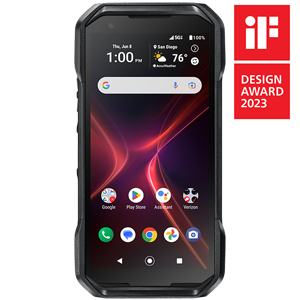
Unlocking the Secrets: How Your Smartphone Analyzes Your Behavior
Smartphones have transformed from simple communication devices to sophisticated behavior analysis tools. By constantly tracking user interactions and preferences, they provide insights into our daily habits. For instance, apps collect data on our usage patterns, including how often we check our notifications, what types of content we engage with, and even our location history. This wealth of information is processed using advanced algorithms that paint a detailed picture of our behavior, enabling marketers to tailor their strategies effectively.
Moreover, the behavior analysis capabilities of smartphones extend beyond mere tracking. Many devices come equipped with features like predictive text and personalized recommendations, which learn from our past actions to enhance user experience. For example, when your smartphone suggests new music based on your listening habits or reminds you of upcoming events you often engage with, it's using behavioral data to offer a more customized service. This not only improves convenience but also raises important questions about privacy and data security in our increasingly interconnected digital world.
Counter-Strike is a highly popular first-person shooter game that pits teams of terrorists against counter-terrorists in various objective-based scenarios. Players engage in tactical gameplay that requires strategic planning and quick reflexes to outsmart their opponents. For those looking to enhance their creative content, you might want to check out the Top 10 Mobile Vlogging Accessories that can elevate your videos to the next level.
10 Surprising Ways Your Phone Knows You Better Than Your Closest Friend
Your smartphone is more than just a communication tool; it's a personal assistant that collects and analyzes data about you every day. From tracking your daily habits to monitoring your location, your phone knows you better than your closest friend in several surprising ways. For instance, it utilizes apps to analyze your preferences—be it the music you listen to or the food you order. This data can be arranged to create a profile that reflects your personality, interests, and even your mood, offering insights that even your best friend might not grasp.
Beyond simple app usage, your smartphone can predict your future behaviors based on historical data. For example, using location tracking, it knows your regular haunts and can anticipate where you'll go next. It can even suggest when you might like to leave for a meeting based on traffic conditions. These capabilities allow your smartphone to provide personalized advice and reminders, enhancing your daily life in ways you might not realize. It's fascinating to consider how these predictions and insights showcase how your phone knows you better than your closest friend, making it a unique companion in your everyday journey.
Is Your Smartphone Your New Best Friend? Exploring Digital Intimacy
In today's fast-paced digital world, the question Is your smartphone your new best friend? resonates with many. The rise of smartphones has transformed the way we communicate, allowing us to stay connected with friends and family no matter the distance. With a simple tap, we can share life updates, photos, and feelings, creating a sense of intimacy that was once reserved for in-person interactions. In fact, studies suggest that many individuals feel closer to their smartphones than to some of their closest relationships, highlighting the phenomenon of digital intimacy. This evolving relationship raises concerns about the impacts on our emotional well-being and personal connections.
Moreover, our reliance on smartphones has fostered a shift in how we perceive friendship and companionship. Many users find comfort in the constant availability of social media platforms and messaging apps, which provide a space for support and interaction. However, this digital closeness can sometimes lead to superficial connections that lack depth. As we explore the boundaries between technology and human relationships, it is essential to examine the quality of these connections. Are we nurturing our real-life friendships, or are we substituting them for virtual interactions? By reflecting on these questions, we can better understand whether our smartphones are truly enhancing or replacing our personal bonds.