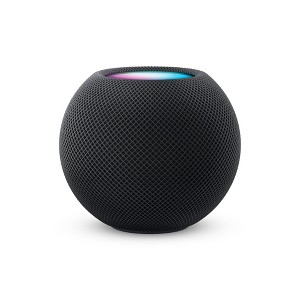
How to Set Up Your HomePod for Optimal Smart Home Integration
Setting up your HomePod for optimal smart home integration begins with ensuring that it is connected to your Wi-Fi network. First, plug in your HomePod and allow it to boot up. Once it’s ready, use your iPhone or iPad to scan the setup graphic that appears on the HomePod screen. This process facilitates a seamless connection to your home network, which is crucial for controlling smart devices effectively. Integrate your HomePod with the Home app on your Apple device, which will allow you to manage all compatible smart home devices directly from your iPhone or iPad.
After connecting your HomePod, you’ll want to customize your smart home experience. To do this, open the Home app, and add all your compatible devices such as lights, thermostats, and locks. You can create scenes or automations that allow multiple devices to work together. For instance, set up a ‘Good Night’ scene that dims the lights, locks the doors, and adjusts the thermostat with a simple voice command. By integrating your HomePod into these routines, you can maximize the efficiency and convenience of your smart home setup.
Counter-Strike is a highly popular first-person shooter game that emphasizes team-based gameplay, strategy, and skill. Players can choose to be part of either the terrorist or counter-terrorist teams, with objectives that include planting or defusing bombs, rescuing hostages, or eliminating opponents. If you're interested in setting up a great gaming environment, check out the Top 10 homepod stands to enhance your experience.
The Ultimate Guide to HomePod Features: Elevate Your Smart Home Experience
The HomePod has revolutionized the way we interact with smart home technology, offering a seamless fusion of music, smart home control, and personal assistant capabilities. With its sleek design and powerful audio performance, the HomePod not only enhances your listening experience but also serves as a hub for managing your smart devices. Key features include:
- Intelligent Sound Quality: Thanks to spatial awareness technology, the HomePod automatically adjusts its audio output based on the environment, providing an immersive listening experience.
- HomeKit Integration: Easily control compatible smart home devices with voice commands. Whether you're dimming lights or adjusting the thermostat, the HomePod makes it effortless.
In addition to its primary functions, the HomePod incorporates Siri, Apple's virtual assistant, which allows you to manage your home with ease. Whether you're looking to play your favorite playlist or check the weather, Siri responds instantly. Here are some additional features that truly elevate your smart home experience:
- Multi-Room Audio: Connect multiple HomePods in different rooms for a synchronized audio experience.
- Personalized Suggestions: The more you use your HomePod, the better it understands your preferences, offering tailored music selections and smart home suggestions.
5 Common HomePod Questions Answered: Make the Most of Your Smart Home Symphony
The HomePod has quickly become a favorite in many smart homes, offering not only high-quality audio but also seamless integration with Apple's ecosystem. Here are five common questions about the HomePod, each aimed at helping you unlock its full potential. From setup to maximizing your smart home experience, these insights will ensure you make the most of your smart home symphony.
1. How do I set up my HomePod?
Setting up your HomePod is simple! Just plug it in, open the Home app on your iPhone or iPad, and follow the on-screen instructions. If you're a new user, make sure your device is updated to the latest version of iOS for a smooth setup process.
2. Can I use HomePod with third-party music services?
Yes, while Apple Music is the primary service, you can stream music from third-party services like Spotify and Pandora using AirPlay. Just ensure your HomePod and device are on the same Wi-Fi network to enjoy your favorite tunes.