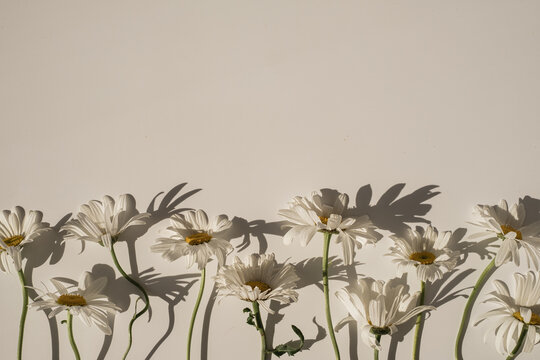
10 Ways to Transform Your Space into Visual Poetry
Transforming your space into visual poetry begins with understanding the impact of color. Colors evoke emotions and set the tone for your environment. Start by selecting a color palette that resonates with your feelings; consider using soft pastels for a serene vibe or bold hues for a vibrant energy. Once you have your colors, use them strategically across walls, furniture, and decor to create harmony. You can also incorporate art pieces that showcase these colors to enhance the aesthetic appeal.
Another key element in creating visual poetry is the arrangement of your furniture and decor. Embrace the concept of negative space, which allows for breathing room and helps highlight your favorite pieces. To achieve this, consider the 5-7-5 rule of arranging decor: five elements on one piece, seven on the next, and so forth, ensuring no area feels cluttered. Additionally, introducing greenery through plants not only brings life to your space but also adds texture and vibrancy, making your surroundings a poetic retreat.
Counter-Strike is a popular tactical first-person shooter that has captivated gamers worldwide since its inception. Players engage in team-based matches, where terrorists and counter-terrorists compete to complete objectives or eliminate each other. The game's competitive nature has led to a thriving esports scene, with professional teams vying for championship titles. If you're looking to enhance your gaming experience, consider exploring Top 10 Minimal Desk Accessories that can help create a more organized and efficient setup.
Exploring the Elements of Aesthetic Design: What Makes a Space Beautiful?
The concept of aesthetic design transcends mere visual appeal; it encompasses the harmonious blend of elements that evoke emotion and create a memorable experience. A beautiful space often incorporates an array of components, such as color, texture, and proportion, each contributing to a cohesive whole. For instance, the right color palette can set the mood, while varying textures add depth and interest. Consider the balance between light and shadow, which can dramatically influence the ambiance of a room. Ultimately, the key to a visually stunning space lies in its thoughtful composition, where every piece, from furniture to decor, plays a crucial role.
Furthermore, recognizing the importance of functionality in aesthetic design is essential. A beautiful space should not only captivate the eye but also cater to the needs of its inhabitants. This dual focus on beauty and usability can be observed in various design philosophies. For example, the principles of minimalism emphasize clean lines and clutter-free environments, allowing each element to shine without overwhelming the senses. Additionally, the concept of biophilic design, which integrates natural elements into indoor spaces, highlights how nature's beauty can foster well-being. By integrating such principles, designers can create environments that are not just beautiful but also enhance the quality of life.
How to Choose the Perfect Color Palette for Your Aesthetic Awakening
Choosing the perfect color palette for your aesthetic awakening involves understanding the emotions and vibes that colors evoke. Begin by considering the overall mood you wish to communicate. Do you want a calming atmosphere with cool blues and soft greens, or a vibrant, energetic feel with bold reds and sunny yellows? Start by researching color theory to discover how various shades can influence feelings, and compile a mood board that reflects your desired aesthetic. Use tools like Adobe Color or Canva's color palette generator to experiment with different combinations and find your perfect match.
Once you have a general idea of your ideal color palette, it’s essential to think about how it will integrate into your space or project. For instance, if you're designing a room, consider how natural light interacts with your chosen colors and how they harmonize with existing elements. You may want to select a main color, a supporting color, and an accent color to create depth and interest. Remember to keep balance in mind; a well-chosen palette should feel cohesive and inviting, encouraging an effortless flow. Explore different shades and tints to fine-tune your selections, ensuring they resonate with your personal style and aesthetic vision.