Top 10 Defensive Driving Tips to Stay Safe on the Road
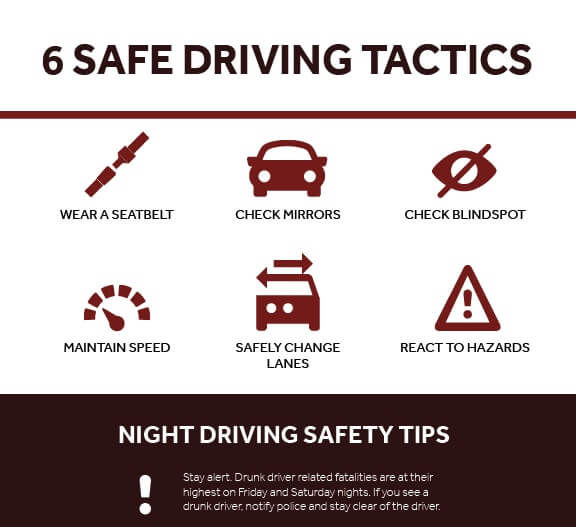
Driving defensively is essential for ensuring your safety on the road and the safety of others. Here are Top 10 Defensive Driving Tips that can help you navigate traffic more securely:
- Stay Aware of Your Surroundings: Always keep an eye on what’s happening around you. Use your mirrors frequently and be alert to any potential hazards.
- Maintain a Safe Following Distance: Keeping a safe distance from the vehicle in front allows you enough time to react to sudden stops or emergencies.
- Obey Speed Limits: Adhering to the speed limits not only keeps you within the law but also maximizes your ability to respond to unexpected situations.
Additionally, defensive driving goes beyond just being cautious; it also involves strategic decision-making:
- Avoid Distractions: Keep your focus on the road by minimizing in-car distractions such as mobile phones and loud music.
- Use Your Turn Signals: Always indicate your intentions to other drivers, allowing them to anticipate your actions and enhancing overall road safety.
- Be Prepared for the Unexpected: Stay alert for pedestrians, cyclists, and other vehicles that might suddenly enter your path.
- Adjust for Weather Conditions: Adapt your driving to suit the weather—reduce speed in rain, snow, or fog, and increase your following distance.
- Stay Calm: Maintain a level head, even under pressure. Road rage can lead to dangerous decisions.
- Take a Defensive Driving Course: Consider enrolling in a defensive driving course to hone your skills and gain confidence behind the wheel.
Counter-Strike is a highly popular first-person shooter game that has been a staple in competitive gaming since its release. Players can choose to play as either terrorists or counter-terrorists, completing objectives such as bomb defusal or hostage rescue. For those looking to enhance their gaming experience while on the go, check out the Top 10 Android Car Mounts.
Understanding the Dangers of Distracted Driving: How to Stay Focused
Understanding the dangers of distracted driving is crucial for every driver today. Statistics reveal that distractions are a leading cause of road accidents, resulting in severe injuries and fatalities. Common forms of distraction include texting, talking on the phone, adjusting the radio, and engaging in conversations with passengers. According to the National Highway Traffic Safety Administration (NHTSA), approximately 9 people die every day in crashes that involve a distracted driver. To combat this issue, it is imperative for drivers to recognize these hazards and actively work towards minimizing distractions while on the road.
To stay focused while driving, consider implementing a few effective strategies:
- Put your phone on Do Not Disturb mode to eliminate notifications.
- Set your GPS before starting your journey to avoid touching your device while driving.
- Limit passenger interactions, especially during complex driving situations.
- Practice mindfulness by keeping your attention on the road and being aware of your surroundings.
By following these tips, you can significantly reduce the risks associated with distracted driving and contribute to safer roads for everyone.
Is Your Driving Habits Putting Your Life at Risk?
Every time you get behind the wheel, your driving habits are crucial to not only your safety but also the safety of others on the road. Engaging in risky behaviors such as texting while driving, speeding, or driving under the influence can significantly increase the likelihood of accidents. According to a recent study, unsafe driving practices contribute to thousands of fatalities each year. It's essential to recognize these habits and assess whether they could be putting your life at risk.
To promote safer driving, consider implementing the following tips:
- Stay focused: Avoid distractions like mobile phones while driving.
- Observe speed limits: Always adhere to posted speed limits to ensure your safety and that of others.
- Never drive under the influence: Alcohol and drugs impair your judgment and reaction times.