The Art of Map Design: Understanding the Story Behind Each CS2 Map
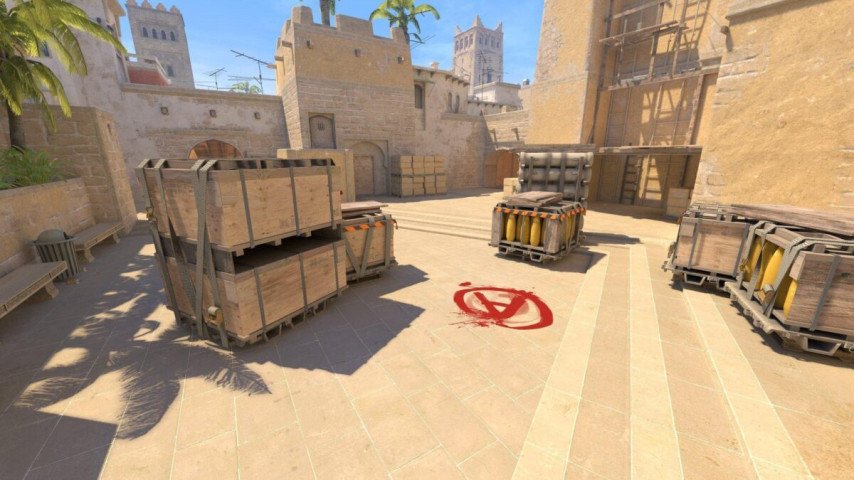
The world of map design in video games, particularly in titles like Counter-Strike 2 (CS2), is a complex art that marries creativity with tactical gameplay. Each map serves not only as a battleground but as a storytelling medium, reflecting the essence of the game’s universe while offering players unique experiences. For example, take the Dust II map, a fan-favorite that showcases a blend of open spaces and tight corridors, promoting both strategic ambushes and straightforward gunfights. Understanding these elements can enhance a player’s appreciation for the intricate design choices made by developers.
When exploring CS2 maps, it's important to recognize the underlying narratives that shape each environment. Consider how elements like lighting, architectural styles, and environmental details contribute to the overall atmosphere. For instance, Inferno, with its dark alleys and warm lighting, creates a sense of tension that complements the frenetic pace of the game. Understanding these storytelling mechanisms can elevate a player's tactical approach, allowing them to navigate the maps more effectively and strategically. In essence, the art of map design is not just about aesthetics; it’s a crucial component of gameplay that can significantly impact the outcome of a match.
Counter-Strike is a highly popular first-person shooter game series that has captivated gamers worldwide. Players engage in team-based gameplay where they assume the roles of terrorists and counter-terrorists. To better understand the gameplay, many find it helpful to familiarize themselves with csgo terms that define the various mechanics, weapons, and tactics involved.
Top Strategies for Navigating CS2 Maps: From Start to Finish
Navigating CS2 maps effectively is crucial for gaining a competitive edge in every match. Start by familiarizing yourself with the layout of each map; this includes understanding key areas, choke points, and potential hiding spots. Utilize tools like the in-game map overview to mark important locations such as bomb sites and high-traffic routes. Moreover, practicing map callouts with your team can enhance communication during gameplay, ensuring everyone is on the same page. Understanding the flow of the map is essential for both offense and defense, allowing players to anticipate enemy movements.
As you progress from start to finish in CS2 matches, consider adopting the following strategies:
- Awareness: Always be mindful of your surroundings and listen for audio cues that indicate enemy presence.
- Adaptability: Be ready to adjust your tactics based on the changing dynamics of the match—what works in the first round may not work later.
- Teamwork: Utilize your teammates' strengths, and coordinate attacks to dominate key areas of the map.
- Practice: Spend time in custom games to learn each map's intricacies without the pressure of a live match.
What Makes CS2 Maps Unique? A Deep Dive into Their Features
Counter-Strike 2 (CS2) maps stand out for their unique features that enhance gameplay and player experience. One of the most significant aspects is the dynamic environment incorporated into many maps. Unlike previous titles, CS2 introduces varying weather conditions and time-of-day scenarios that can affect visibility and strategy. For instance, maps like Marshlands utilize foggy conditions to add suspense and difficulty, requiring players to adapt their tactics on-the-fly.
Additionally, CS2 maps are designed with verticality and multilayered layouts in mind. The incorporation of elevated positions, hidden pathways, and interactive elements allows for diverse gameplay strategies. Players can choose to engage in ranged combat from rooftops or sneak through underground tunnels for surprise attacks. These design choices not only promote a more tactical approach but also enhance replayability, as each match can unfold in unpredictable and exciting ways.