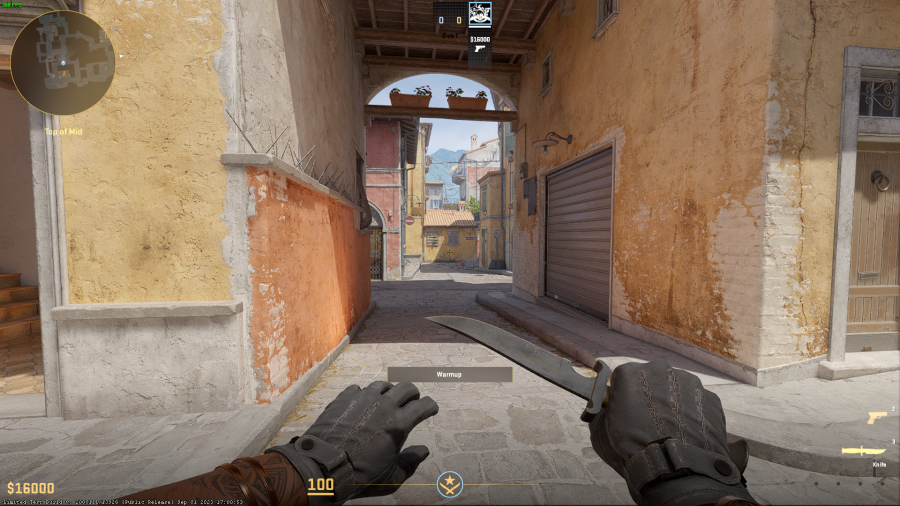
Top 10 Settings to Boost Your FPS in CS2
If you're looking to enhance your gaming experience in CS2, optimizing your settings can lead to substantial improvements in your frames per second (FPS). Here are the Top 10 Settings to Boost Your FPS in CS2: These adjustments are critical in ensuring smooth gameplay, especially during intense matches.
- Resolution: Lower your game resolution to improve performance without compromising visual clarity.
- Texture Quality: Set this to low to manage your system’s resource usage effectively.
- Shadow Quality: Disable or set to low; shadows can consume valuable FPS.
- Render Scale: Adjusting render scale can significantly influence FPS, try setting it at 100%.
- V-Sync: Turning this off can yield higher FPS, but be wary of screen tearing.
- Anti-Aliasing: Disable or lower this setting for improved performance.
- Motion Blur: Turning off motion blur offers a crisper image while potentially boosting FPS.
- Multithreaded Render: Enable this option to utilize multiple CPU cores effectively.
- Texture Streaming: Disabling this helps reduce the stress on your RAM.
- Field of View (FOV): Modifying the FOV can create a better view while keeping FPS stable.
Counter-Strike is a highly popular first-person shooter game, known for its competitive gameplay and tactical depth. Players often seek to improve their skills by studying professional gamers, and many aspire to replicate the success of top players like s1mple. For those looking to enhance their performance, understanding s1mple settings can be a great starting point.
Understanding the Impact of Hardware Upgrades on CS2 Performance
Understanding the Impact of Hardware Upgrades on CS2 Performance is crucial for gamers looking to enhance their overall experience. This game, known for its intricate graphics and fast-paced action, demands significant processing power. Upgrading key components such as the CPU, GPU, and RAM can lead to noticeable improvements in frame rates and graphical fidelity. For instance, investing in a modern graphics card can allow players to run the game at higher settings without experiencing lag, thus creating a smoother gameplay experience.
Moreover, beyond just raw performance, hardware upgrades can also have an impact on latency and response times. A faster SSD can reduce load times, enabling players to jump into matches quicker than ever. Players may also notice an improvement in how well the game runs during intense moments, leading to more competitive play. Therefore, understanding these dynamics ensures that gamers can make informed decisions about their hardware investments, optimizing their setup for the best possible CS2 experience.
Common FPS Issues in CS2: Troubleshooting Your Game
Counter-Strike 2 (CS2) has captivated gamers worldwide, but players often encounter common FPS issues that can detract from their gaming experience. These issues can arise from various factors including hardware limitations, network instability, and in-game settings. To address this, it's crucial to optimize your game settings. Start by lowering your graphical settings such as texture quality and shadow quality, which can significantly boost your frames per second (FPS). Additionally, ensure that you are using the latest graphics drivers and update your operating system to maintain optimal performance.
If reducing graphics settings doesn't resolve the issue, consider checking your internet connection. A stable and fast internet connection is crucial for an uninterrupted gaming experience. You can run a ping test to gauge your latency and check for packet loss. Also, closing unnecessary background applications can free up system resources. Lastly, if you continue to experience FPS issues, it may be beneficial to increase your computer's virtual memory and ensure you are not running the game in compatibility mode. By following these troubleshooting steps, you can enjoy a smoother and more enjoyable CS2 experience.