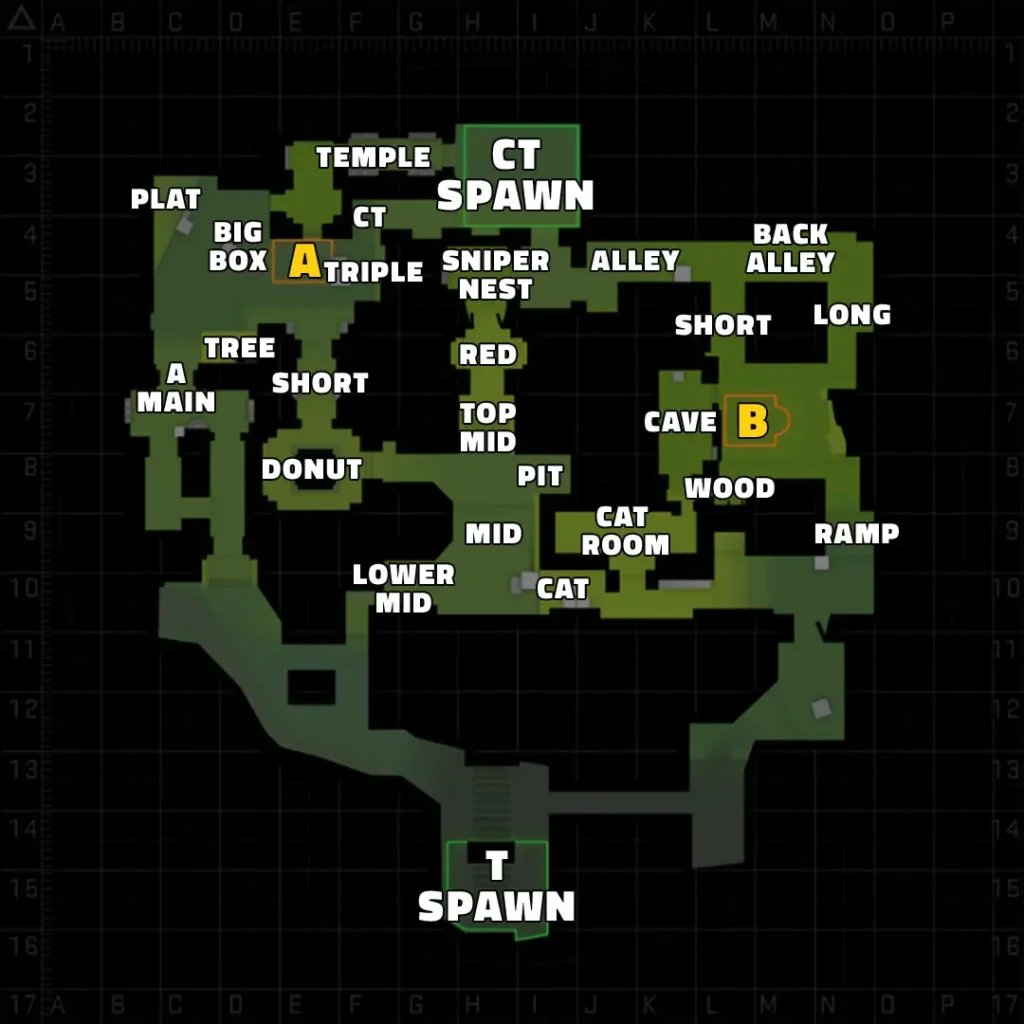
Top 5 Tips for Mastering Map Design in CS2
Creating an immersive and engaging map in Counter-Strike 2 (CS2) requires a blend of creativity, gameplay understanding, and technical skills. Here are the top 5 tips for mastering map design:
- Understand Your Audience: Know the type of players you are designing for—casual gamers, competitive players, or casual players. Tailoring your map to meet their needs will ensure a better experience.
- Focus on Gameplay Flow: Ensure that your map encourages smooth movement and seamless encounters. Avoid areas that might lead to frustration, as a well-designed flow can enhance player satisfaction.
- Utilize Visual Cues: Incorporate distinct landmarks, colors, and textures to guide players through the map. This will not only improve navigation but also create a visually appealing environment.
- Test and Iterate: Always playtest your map with real players. Gather feedback and be willing to make adjustments based on their experiences.
- Learn from the Pros: Analyze existing successful maps in CS2. Observe what works and what doesn’t, and use those insights to refine your design process.
Counter-Strike is a highly popular multiplayer first-person shooter game that emphasizes teamwork and strategy. Players engage in intense rounds as either terrorists or counter-terrorists, aiming to outsmart and outmaneuver their opponents. For those looking to enhance their gaming experience, exploring CS2 Cases can provide various weapon skins and other rewards.
Understanding Map Flow: How to Enhance Your Gameplay
Understanding Map Flow is essential for players looking to enhance their gameplay experience in competitive settings. It refers to the way players navigate through a map, taking into account factors such as positioning, sightlines, and the overall layout of the terrain. To master map flow, you need to become familiar with key areas on the map that provide tactical advantages. This includes understanding high ground positions, choke points, and rotation paths that can be used to outmaneuver opponents. The first step is to study the map's layout and identify these crucial zones that can make a difference in either offense or defense.
To effectively enhance your gameplay using map flow, consider implementing the following strategies:
- Route Optimization: Always choose the most efficient route to your destination while taking into account enemy positions.
- Situational Awareness: Keep an eye on the mini-map to anticipate enemy movements and adjust your positioning accordingly.
- Team Coordination: Work with your teammates to control key areas of the map, making sure to communicate anything you observe.
What Makes a Great CS2 Map? Key Elements Every Cartographer Should Know
Creating a great map for CS2 requires more than just aesthetic appeal; it demands careful consideration of gameplay flow and player dynamics. A successful map balances engagement and challenge by incorporating elements such as multiple pathways and strategically placed cover spots. This ensures that players have numerous tactical options, allowing for varied gameplay experiences. Additionally, visibility is crucial; maps should feature clear sightlines while encouraging players to utilize shadows and angles to their advantage.
Another key aspect is the importance of environmental storytelling. Each area of the map should convey a sense of place, giving players context through visual cues and interactive elements. Consider employing dynamic objects or destructible environments to enhance immersion and keep players engaged. Additionally, testing and feedback play vital roles in refining a map. By gathering insights from playtesting sessions, cartographers can adjust for balance, ensuring that no single strategy dominates the game. Ultimately, a great CS2 map combines creative design with thoughtful gameplay mechanics, resulting in a memorable experience for all players.