Understanding the Psychology Behind CSGO Toxicity: What the Reports Say
The competitive nature of CSGO often brings to light the issue of toxicity within the gaming community. Understanding the psychology behind this toxic behavior is crucial for both players and developers. Reports indicate that high-stress environments, like those found in competitive matches, can lead to frustration and anger. Players may resort to negative behavior as a coping mechanism for their own performance anxiety or displeasure with team dynamics. Factors such as anonymity, social norms within gaming, and a lack of accountability further exacerbate these issues, creating a toxic atmosphere.
Furthermore, studies have shown that toxicity in CSGO can stem from a variety of psychological triggers. For instance, players who have previously experienced frustration are more likely to lash out when faced with similar scenarios, leading to a cycle of negative interactions. This can result in a detrimental loop where players feel justified in their toxic behavior due to the actions of others, which perpetuates a hostile environment. By addressing these psychological factors and promoting positive communication, the gaming community can work towards reducing toxicity and fostering a more supportive atmosphere.
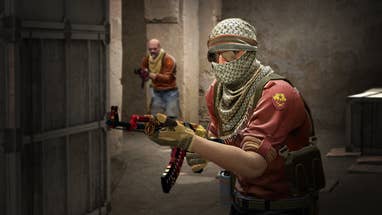
Counter-Strike is a popular first-person shooter game that emphasizes team-based gameplay and strategic combat. Players can choose from a variety of weapons, including the m4a1 s, which is favored for its accuracy and versatility in both long-range and close-quarter scenarios.
Top 5 Types of Toxic Behavior in CSGO and Their Impact on the Gaming Community
In the vibrant world of CS:GO, the gaming community thrives on collaboration and competition. However, certain types of toxic behavior can severely undermine the player experience. Here are the top 5 types of toxic behavior that plague matches:
- Flaming: Insulting or belittling teammates can lead to a hostile environment, creating rifts that compromise team strategy.
- Smurfing: Experienced players using low-level accounts disrupt fair play, leading to frustration among genuine newcomers.
- Griefing: Intentionally sabotaging teammates' gameplay diminishes the overall experience and can lead to penalties for the offender.
- Cheating: Using hacks not only ruins the integrity of the game but also discourages honest players from participating.
- Bad Sportsmanship: Taunting or gloating after a win creates a negative atmosphere, pushing others away from the game.
The impact of such toxic behaviors extends beyond individual matches, affecting the overall health of the CS:GO community. Teams are hindered by poor morale, which can lead to decreased performance and an unwelcoming environment for new players. It's crucial for members of the community to actively address and combat these toxic behaviors, fostering a more inclusive and enjoyable gaming experience for everyone involved.
How to Combat Toxicity in CSGO: Strategies for Gamers and Developers
Combatting toxicity in CSGO requires a multifaceted approach involving both gamers and developers. Players can adopt various strategies to maintain a positive gaming experience, such as muting toxic players and utilizing the reporting system effectively. Developers, on the other hand, can implement better moderation tools and promote community guidelines. Here are a few strategies for gamers:
- Mute toxic players immediately to focus on your gameplay.
- Use the report system to flag abusive behavior.
- Engage with positive or supportive teammates to foster a healthy gaming environment.
On the developer side, CSGO can greatly benefit from improved matchmaking algorithms and real-time moderation. Developers should also consider regular updates to address toxic behaviors, such as implementing penalties for consistent offenders. Furthermore, investing in community outreach programs can promote a more inclusive atmosphere. Here are some strategies for developers:
- Enhance the matchmaking system to pair players with similar behaviors.
- Introduce automatic detection systems for abusive chat.
- Encourage community engagement through events and tournaments that promote sportsmanship.