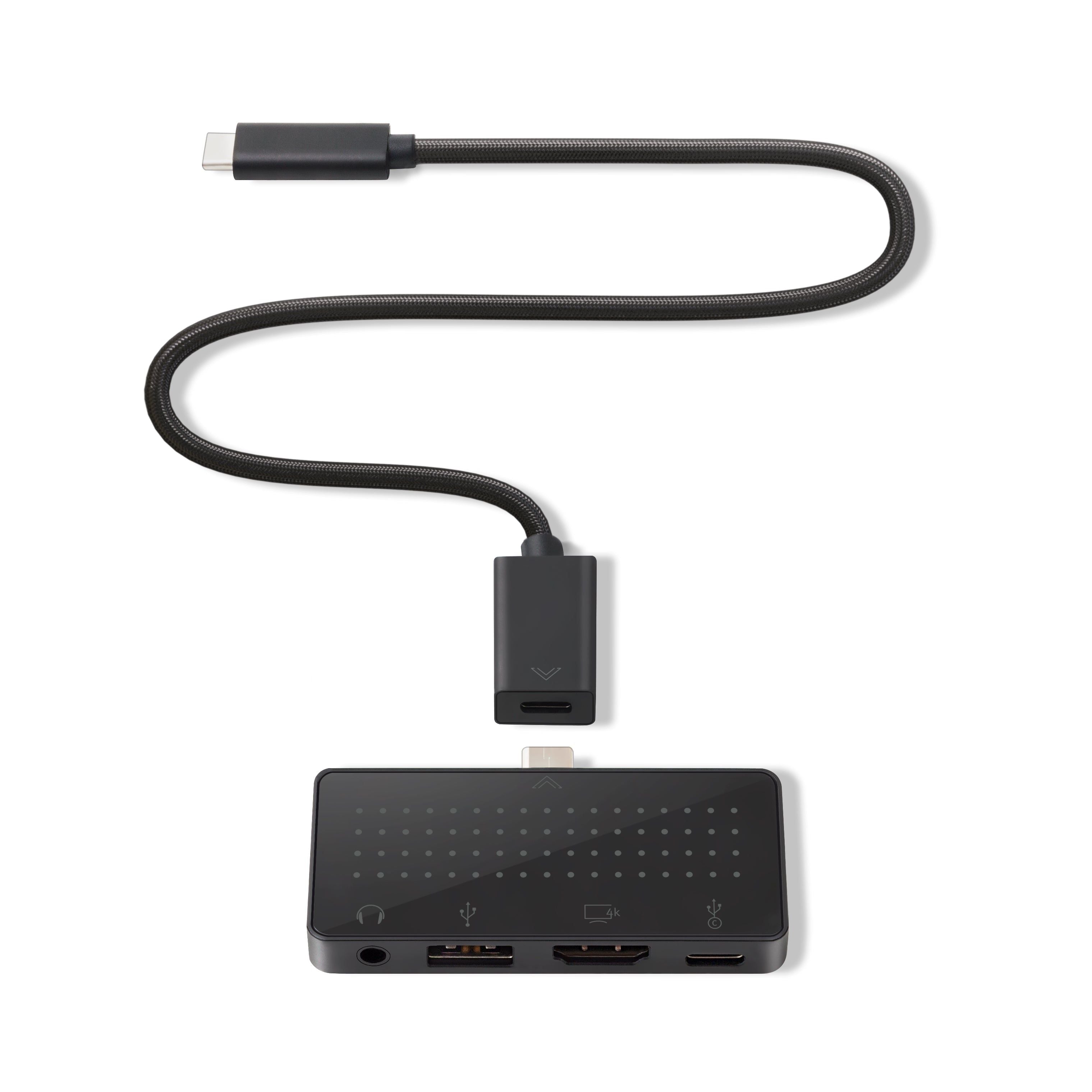
5 Benefits of Using a USB Hub for Enhanced Productivity
In today's fast-paced digital environment, maximizing productivity is crucial, and a USB hub can play a significant role in achieving this goal. One of the primary benefits of using a USB hub is the increased number of ports available for connecting multiple devices simultaneously. This is particularly helpful for professionals who rely on various peripherals such as printers, external drives, and smartphones. Instead of constantly swapping out devices, a USB hub allows for seamless multitasking, enhancing overall work efficiency.
Another advantage of using a USB hub is improved organization and reduced clutter. With a central hub, cables can be neatly managed, eliminating the chaos of tangled wires. Additionally, many USB hubs come with built-in features like charging capabilities and LED indicators, which further streamline the workspace. As a result, users can focus on their tasks without the distraction of a messy desk or the frustration of managing multiple connections. Overall, investing in a USB hub can lead to a more functional and productive work environment.
Counter-Strike is a popular first-person shooter that pits teams against each other in objective-based missions. Players can choose to be either terrorists or counter-terrorists and engage in various gameplay modes, including bomb defusal and hostage rescue. To enhance your gaming experience, you might also want to check out Top 10 macbook accessories that can complement your setup.
How to Choose the Right USB Hub for Your Tech Needs
Choosing the right USB hub can significantly enhance your productivity and streamline your tech setup. With a plethora of options available, it's essential to assess your specific needs. Start by evaluating the types and numbers of devices you plan to connect. For instance, if you require multiple high-speed connections for devices like external hard drives or gaming peripherals, look for a USB hub that supports USB 3.0 or higher. Conversely, for basic tasks like charging smartphones or connecting low-power devices, a simple USB 2.0 hub may suffice.
Next, consider the design and portability of the hub. Some hubs are designed for desktop use, featuring multiple ports and stable bases, while others are compact and made for travel. Additionally, check for features like built-in power adapters for hubs that need to support several devices simultaneously. You may also want to read reviews and compare brands to ensure quality and reliability. By taking these factors into account, you can confidently choose a USB hub that fits your tech needs perfectly.
Common Questions About USB Hubs: Everything You Need to Know
USB hubs are essential devices that expand the number of available USB ports on your computer, allowing you to connect multiple peripherals simultaneously. Common questions about USB hubs often revolve around their functionality, compatibility, and performance. For instance, many users ask whether all USB hubs are the same. The answer is no; there are different types of USB hubs, including passive and active hubs. Passive hubs draw power from the computer, making them suitable for low-power devices, while active hubs have an external power source, ideal for powering multiple devices like hard drives and printers.
Another frequent question is how to choose the right USB hub for your needs. It’s important to consider the number of ports, the supported USB standards (like USB 2.0, USB 3.0, or USB-C), and whether you need features such as data transfer speeds or charging capabilities. Additionally, buyers often inquire about compatibility with various operating systems. Most modern USB hubs are cross-compatible with Windows, macOS, and Linux systems, but it's always wise to check the product specifications to ensure a seamless connection.