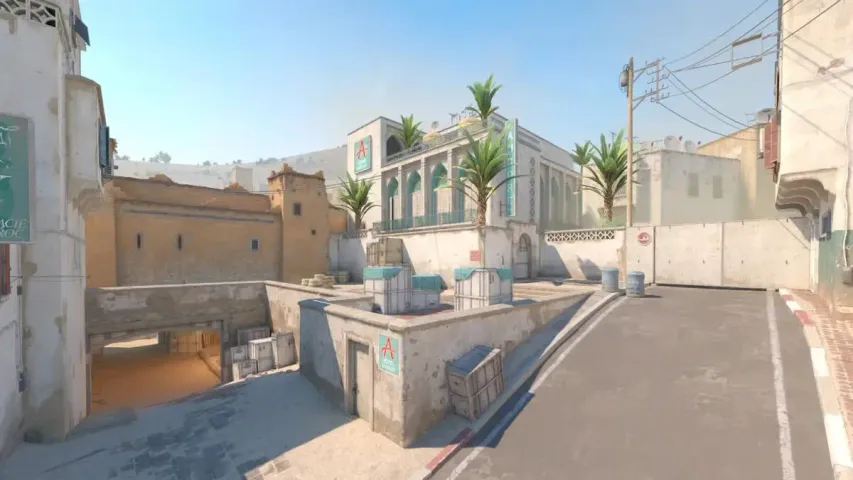
Top 5 Strategies to Dominate Dust 2: Tips from the Pros
When it comes to mastering Dust 2, the iconic map in Counter-Strike, understanding the key strategies can significantly elevate your gameplay. Here are the top five strategies that professionals rely on to dominate their matches:
- Map Control: Gaining control of crucial areas such as Mid and Long A is essential. Professionals suggest maintaining consistent pressure on these zones to disrupt the enemy's strategies and control the flow of the game.
- Effective Communication: Use voice and in-game commands to coordinate with teammates. Call out enemy positions, share health status, and strategize on the fly. This synergy can lead to some fantastic plays and outcomes.
Another critical aspect of success on Dust 2 is mastering utility usage. Proper deployment of grenades can turn the tide of a round:
- Smoke and Flashbangs: Knowing when and where to throw smokes can limit the enemy's visibility during pushes or retakes. Similarly, strategic flashbangs can clear common hiding spots and create openings.
- Positioning and Rotation: Always be aware of your position and be ready to rotate based on the game's state. Quick reactions to your teammates' calls can make all the difference in clutch situations.
Counter-Strike is a popular tactical first-person shooter game that emphasizes teamwork and strategy. Players can compete in various game modes, including classic bomb defusal and hostage rescue missions. For those looking to enhance their gameplay experience, you can Unlock CS2 Premier Mode, which offers a more competitive environment and additional features.
A Comprehensive Guide to Dust 2 Callouts Every Player Should Know
Dust 2, one of the most iconic maps in *Counter-Strike: Global Offensive*, requires players to master various callouts for effective communication and strategy during gameplay. Understanding these callouts not only enhances team coordination but also improves individual performance. Key locations such as Long A, Catwalk, and Mid are essential areas where players often engage in critical gunfights. For beginners, it's crucial to become familiar with these terms and their corresponding locations. Let's explore the most important callouts every player should know.
To make your learning process easier, we've compiled a list of essential Dust 2 callouts:
- Long A: The long corridor leading to the A site, often a hotspot for attackers.
- Catwalk: The raised area leading to A, providing a tactical advantage.
- Mid: The central area of the map connecting both bomb sites, crucial for map control.
- B Site: The bomb site located at the lower level, well-defended by players.
- T Spawn: The starting area for Terrorists, where they plan their strategies.
Familiarizing yourself with these callouts will not only elevate your own game but help your teammates as well, leading to a more cohesive playstyle.
Common Mistakes to Avoid on Dust 2: How to Play Like a Veteran
When playing on Dust 2, one of the common mistakes to avoid is failing to communicate effectively with your team. Many players underestimate the importance of callouts and clear communication. Use a microphone or the in-game chat to relay information about enemy positions, your own whereabouts, and other critical updates. For instance, when you spot an enemy at B site, immediately inform your teammates by stating, 'Enemy spotted at B'. This simple act can drastically improve your team's coordination and increase your chances of winning rounds.
Another prevalent mistake is neglecting to utilize your surroundings effectively. Dust 2 is filled with tactical opportunities; however, many players run and gun without considering their positioning. Remember to use cover when approaching a choke point and to take advantage of high ground and corners. An effective strategy could involve taking a peek from Long A or using A site boxes for cover during engagements. By refining your movement and utilizing the map's geometry, you will play much more like a seasoned veteran than a novice.